


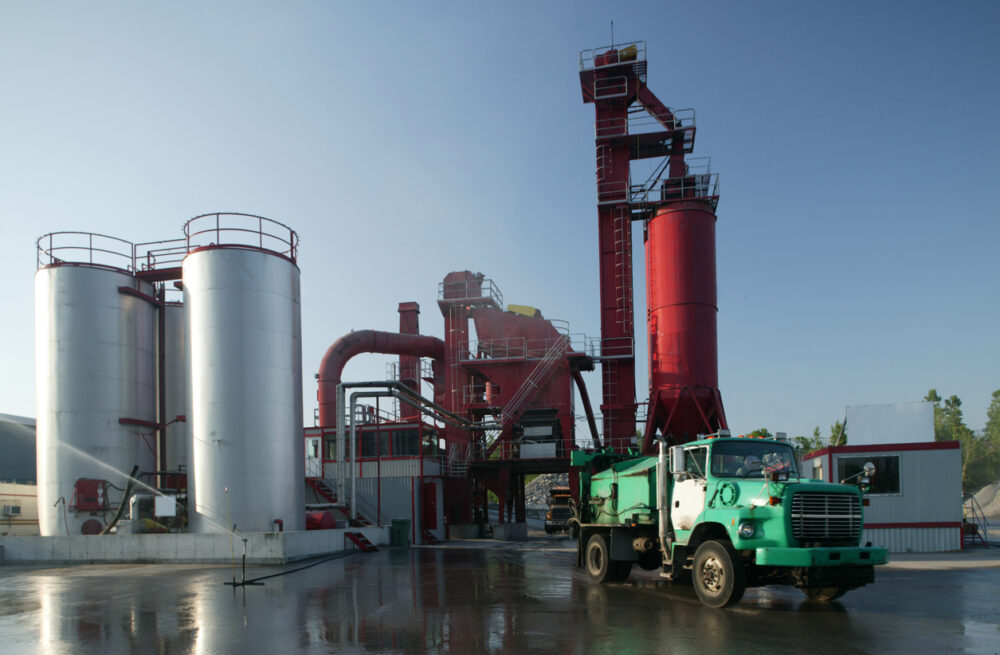
Winter shutdowns are not downtime; they are an essential phase in preparing asphalt plants for a safe, efficient, and profitable hot mix season. Proactive winter asphalt plant maintenance helps producers improve mix quality, reduce unexpected breakdowns, maintain compliance, and ensure plants are fully operational when production demand returns.
Industry guidance from the Asphalt Pavement Alliance (APA) emphasizes that maintenance performed during the off-season directly impacts plant performance, operational efficiency, and asphalt quality once paving begins.
Why Winter Asphalt Plant Maintenance Is Critical
Failing to address maintenance during winter months often leads to production inefficiencies, inconsistent asphalt mixes, and costly emergency repairs during peak season. Common consequences of deferred maintenance include:
- Inconsistent mix quality and segregation
- Increased raw material waste
- Equipment failures and unplanned shutdowns
- Safety hazards and environmental compliance risks
- Production delays and cost overruns
Winter maintenance allows plants to correct these issues without the pressure of daily production schedules – protecting both productivity and profitability.
Essential Areas to Focus on During Winter Plant Shutdowns
1. Equipment Inspection, Repairs & Preventive Maintenance
Winter is the ideal time to inspect, service, and repair critical asphalt plant components, including:
- Silos and storage tanks
- Conveyors, dryers, and baghouses
- Rollers, motors, bearings, gears, and drive systems
- Belt alignment, tension, and mechanical connections
Addressing wear, misalignment, and mechanical issues during the off-season reduces the risk of mid-season failures and extends equipment life.
2. Calibration & Asphalt Mix Quality Control
Accurate calibration is fundamental to producing consistent, high-quality hot mix asphalt. During winter maintenance, plants should calibrate:
- Scales and weighing systems
- Meters and sensors
- Measuring devices used in mix production
Improper calibration can lead to density problems, poor compaction, inconsistent performance, and customer dissatisfaction once paving begins.
3. Structural Integrity & Material Handling Systems
Structural inspections during winter help identify potential failures before production resumes. Key focus areas include:
- Silos, tanks, frames, and supports
- Chains, belts, and material transfer points
- Storage systems that impact material flow and consistency
Proactive repairs ensure safe operations and protect material integrity throughout the production season.
4. Safety Systems, Training & Environmental Compliance
Winter shutdowns provide the opportunity to prioritize safety and compliance by:
- Inspecting and testing safety devices
- Reviewing emissions controls and environmental systems
- Conducting operational and safety training
- Updating safety protocols and procedures
These steps help reduce workplace incidents and ensure regulatory compliance when production ramps up.
5. Software Updates, Equipment Upgrades & Season Planning
The off-season is also the best time to evaluate plant control software, consider equipment upgrades, and document maintenance activities. Planning improvements now allows asphalt plants to start the hot mix season fully prepared, efficient, and competitive.

The Long-Term Benefits of Winter Asphalt Plant Maintenance
Plants that invest in winter maintenance experience:
- Improved asphalt mix quality
- Reduced downtime and emergency repairs
- Increased operational efficiency
- Safer working environments
- Stronger performance throughout peak production months
As emphasized by the Asphalt Pavement Alliance, quality asphalt production starts long before the first load leaves the plant and it begins with preparation, maintenance, and planning during the winter months.
Preparing Today for Tomorrow’s Hot Mix Success
Winter asphalt plant maintenance is not optional – it is a strategic investment in quality, safety, and reliability. By addressing critical systems during the off-season, producers can enter the hot mix season with confidence, consistency, and operational strength.
At Trap Rock Industries, proactive maintenance and preparation help ensure plants are ready to meet demand while delivering dependable, high-quality materials when they matter most.