


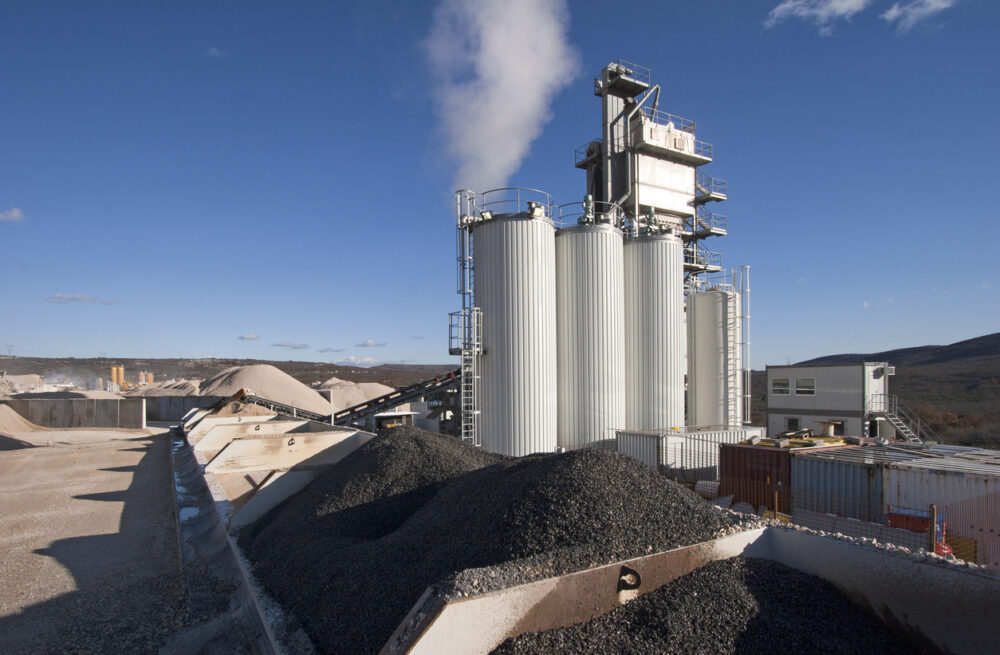
As infrastructure demands grow and sustainability becomes more than a buzzword, the asphalt industry is undergoing a transformation. Below are the key trends shaping the future of asphalt, especially relevant for contractors, producers and suppliers in states like New Jersey where material performance, cost and regulation all matter.
1. Sustainability Takes Center Stage
Environmental responsibility is now embedded in decision-making for asphalt production and paving. Some of the major shifts include:
- Recycled materials – The use of reclaimed asphalt pavement (RAP) and recycled aggregates is increasing, reducing both raw-material demand and landfill burden.
- Cold Patch and lower-temperature technologies – These allow asphalt to be produced and placed at reduced temperatures, saving energy and lowering greenhouse-gas emissions.
- Bio-based and alternate binders – Novel binders derived from renewable resources or waste materials are emerging, helping reduce reliance on petroleum-based bitumen.
For a producer like Trap Rock Industries, staying ahead in sustainability means offering mixes with higher RAP content, adopting technologies, and communicating the environmental value of asphalt to customers and municipalities.
2. Smart Technology & Digitalization
The asphalt production and paving industry is becoming more connected and intelligent:
- Digital tools for plant operations – Software for scheduling, inventory tracking, mix-design management and dispatching are improving efficiency and reducing downtime.
- Automated systems & drone inspections – From autonomous asphalt-plant systems to drone-based site surveys, these technologies are helping optimize production and improve safety.
- Intelligent compaction & sensors – Embedded sensors during paving provide real-time feedback on compaction density, helping ensure uniform pavement quality and longevity.
For Trap Rock, investing in digital plant controls, tracking RAP content digitally, and using data-driven quality control will continue to differentiate in the marketplace.
3. Enhanced Performance & Durability
As infrastructure ages and traffic loads increase, performance expectations continue to rise. Key performance trends include:
- High-quality mix designs with longer lifespan – Asphalt blends are being engineered for improved durability, greater resistance to rutting, cracking and freeze-thaw damage.
- Self-healing and advanced materials – Research is underway (and beginning commercial trials) on asphalt mixtures that can “heal” micro-cracks using embedded regenerative or reactive technologies.
- Optimized aggregate skeletons and binder technologies – By optimizing aggregate gradation and binder chemistry, pavements can better handle heavier loads and harsh climates.
For Trap Rock, emphasizing quality control, aggregate sourcing, and state-of-the-art mix designs will help serve clients facing demanding project specs and long-term asset-life expectations.
4. Infrastructure Growth & Market Drivers
The broader market for asphalt continues to expand:
- According to market-research data, the global asphalt market was valued at around USD 65.9 billion in 2024 and is projected to grow to approximately USD 83.3 billion by 2030, a CAGR of ~4% from 2025-2030.
- Infrastructure renewal, urbanization, and road-rehabilitation initiatives (especially in North America) are driving demand for new asphalt and aggregates.
For Trap Rock operating in New Jersey and the Northeast, this means sustained demand for hot-mix asphalt and aggregates — but also increasing competition and heightened expectations around innovation, supply, and sustainability.
5. What This Means for You, the Contractor or Owner
Putting the trends into practical perspective:
- Choose suppliers who actively manage RAP content, use advanced mix technologies (e.g., cold patch) and track sustainability measures.
- Specify quality control and digital reporting — ensure the mix your plant delivers meets design and performance expectations.
- Prioritize maintenance planning with longer-life mixes; the upfront cost may be slightly higher, but lifecycle savings are real.
- Engage with your supplier early, discuss project goals (e.g., sustainability targets, recycling content, spec performance) so that the mix design is aligned.
- Plan for regulatory and environmental shifts, soon, your municipality may ask for carbon-reduction documentation or performance warranties.
Conclusion & About Trap Rock Industries
As we look toward 2026 and beyond, the asphalt industry is clearly evolving, becoming smarter, greener and more performance driven. For contractors, owners and municipalities, aligning with the right materials supplier will matter more than ever.
Trap Rock Industries stands ready as a long-term partner in this evolving landscape. With decades of experience supplying high-quality hot-mix asphalt and aggregates in New Jersey and the Northeast, Trap Rock brings a proven track record, modern production facilities and a commitment to performance and sustainability. Whether your project requires conventional hot-mix, warm-mix, high-recycled content asphalt, or specialty aggregates, Trap Rock delivers value, technical expertise and reliable service.
For more on their offerings, mix designs, sustainability initiatives and aggregate products, Contact Us!